Olympiads
National and international academic olympiads and competitions across Albania.
Giving pupils the opportunity to test their knowledge, receive structured recognition and represent Albania at international stages.
StarBalkans organises national and international academic olympiads and competitions across Albania, giving pupils the opportunity to test their knowledge, receive structured academic recognition and represent Albania at international stages.
Through a network of more than 60 local partners, StarBalkans manages the entire olympiad process — from announcements, school and partner coordination, registration and testing, to evaluation, publication of results and rankings, communication with parents and schools, and the awarding of medals and certificates.
To date, StarBalkans has engaged more than 10,000 participants through 12 programmes and projects, building strong experience in the organisation of academic olympiads, competitions and international educational opportunities for pupils.
National and international olympiads
Choose an olympiad type to see details, calendars, and participation pathways.
What are olympiads?
Academic Olympiads are organised competitions that give students the opportunity to test their knowledge, logical thinking, critical thinking, and problem-solving skills. They provide students with the opportunity to challenge themselves and compete at both national and international levels.
Why do they matter?
Olympiads encourage academic development, self-confidence, and motivation. They help students discover their potential, gain new experiences, and build achievements that can enrich their educational journey.
Which Olympiads do we organise?
StarBalkans organises and coordinates academic Olympiads in Albania, as well as student participation in international rounds, in cooperation with the respective partners. These include the English Language Competition, Einstein Olympiad, TIMO – Turkic International Mathematical Olympiad, and Math Without Borders. (timoolympiad.org)
How does registration work?
Students can register individually or through their school, teacher, or learning centre. Each Olympiad has a participation fee, which is paid by the parent. Payment can be made by bank transfer or in cash at the school on the day of the Olympiad
How does the National Round work?
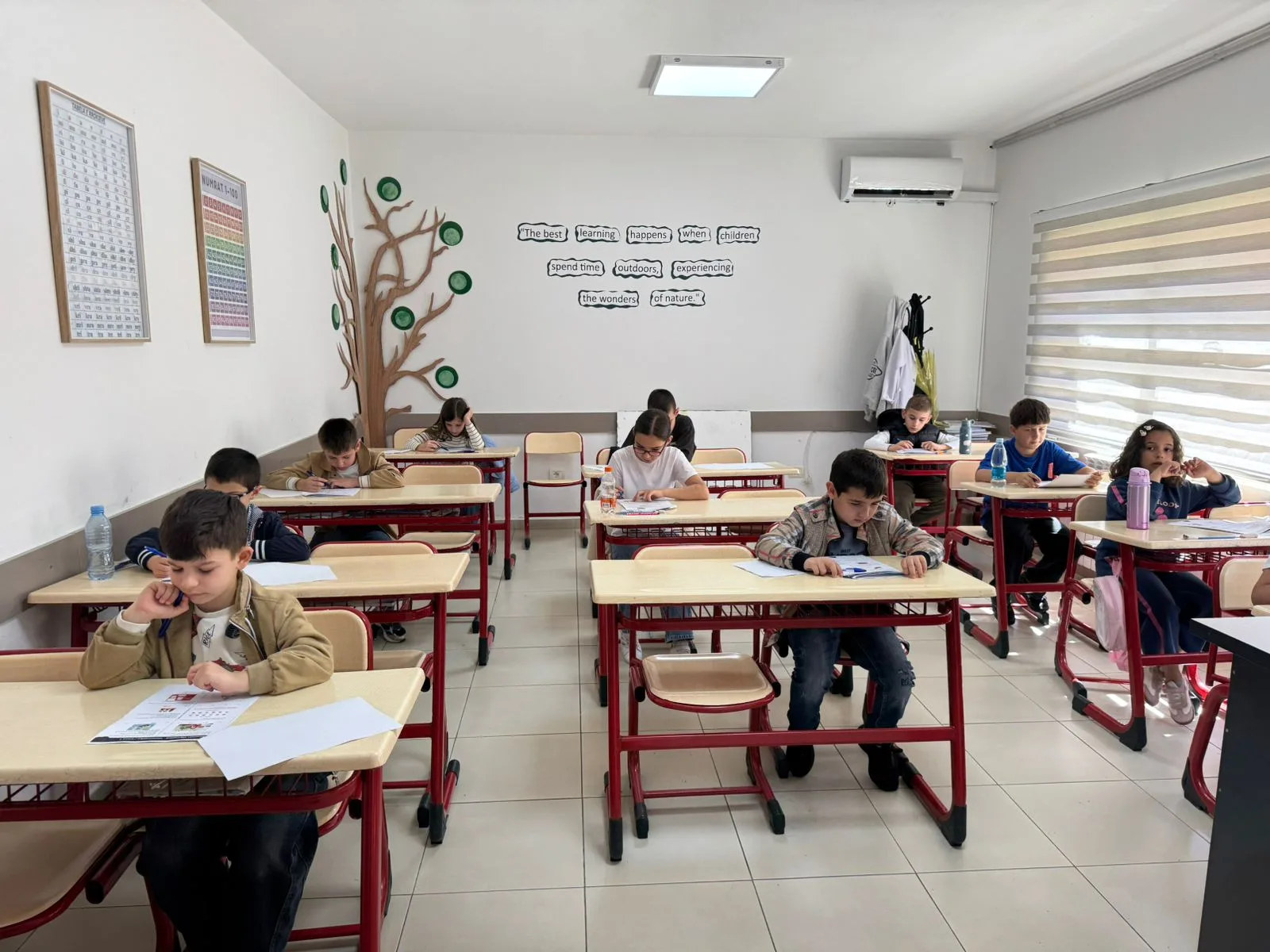
National rounds are organised at partner schools and centres in different cities across Albania. StarBalkans coordinates the organisation and communication with schools, students, and parents to ensure the smooth running of each Olympiad.
How do students qualify?
Each Olympiad has its own qualification criteria. These may be based on the student’s score, result percentage, ranking within their grade or level, as well as specific requirements established by the relevant international organiser or partner.
International finals
For Olympiads that include an international stage, students who meet the qualification criteria have the opportunity to progress to the International Finals. There, they represent Albania and compete alongside students from different countries around the world.
Medals & Certificates
Depending on the Olympiad and the student’s result, awards may include Gold, Silver and Bronze Medals, Honorable Mention Certificates, and Participation Certificates.For international Olympiads, awards and certificates are issued and verified in cooperation with the international organisers and, depending on the competition, may also be verified online through the relevant official platform. For single-stage Olympiads, medals and certificates are issued by StarBalkans.
Study materials
Preparation materials are made available to students, parents, schools, teachers, and learning centres involved in the process. Depending on the Olympiad, these may include sample tests, syllabi, guidelines, sample questions, and other supporting materials designed to help students prepare.
Notices & results
Updates, organisational information, and results are mainly communicated via email and WhatsApp and will soon also be available through a dedicated platform. The publication timeline may vary depending on the number of participants and the volume of results being processed, but results are generally released approximately two weeks after the Olympiad.